A real grammar library
Hundreds of study notes covering sentence structure, tenses, cohesion, vocabulary, and the errors examiners notice most — written in plain language and linked together so one lesson leads to the next.
Band 9 Vault turns scattered IELTS preparation into one connected study space: structured grammar notes, full listening and reading mock tests with instant band scores, and short daily drills that keep your weak spots from becoming exam-day surprises.
Free to use · No card needed · Your scores follow you to every device
Hundreds of study notes covering sentence structure, tenses, cohesion, vocabulary, and the errors examiners notice most — written in plain language and linked together so one lesson leads to the next.
Sit complete listening tests with real audio, or reading papers with the passage beside the questions as in the real exam. Both are timed and marked for you, with a band estimate the moment you finish and the exact questions you slipped on.
Short, focused practice for spelling, True/False/Not Given reading, error correction, and vocabulary recall — small enough to finish in a break, frequent enough to actually stick.
Every test and drill is recorded against your account, so you can watch your listening score climb instead of guessing whether the studying is working.
Take a mock test or a quick drill. Your first score tells you where the real weakness sits.
Follow the connected notes for that skill instead of reading everything in a random order.
Return to practice, watch the score move, and repeat until the skill feels automatic.
Sentence structure, tenses, articles, prepositions, linking words, collocations, and the error patterns that quietly cap your writing band. Every note is a page you can read, save, and return to.
Open the library → How it worksTest first, read the result, fix the grammar behind the mistakes, then test again. Five steps that tell you what to study now and what can safely wait.
See the five steps →IELTS listening is marked out of 40, and the raw score converts to a band from 0 to 9. Every mock test in Band 9 Vault scores you on this scale, so you always know how far the next half-band actually is.
| Correct answers | Band score | What it means |
|---|---|---|
| 39–40 | 9.0 | Expert listener — almost nothing slips past you. |
| 37–38 | 8.5 | Very high accuracy, occasional spelling loss. |
| 35–36 | 8.0 | Strong enough for competitive university entry. |
| 32–34 | 7.5 | Above the bar for most postgraduate courses. |
| 30–31 | 7.0 | The common requirement for study and migration. |
| 26–29 | 6.5 | Solid, but distraction and paraphrase still cost you. |
| 23–25 | 6.0 | Meets many undergraduate requirements. |
| 18–22 | 5.5 | Detail and spelling are the usual leaks here. |
| 16–17 | 5.0 | Foundation work will move this fastest. |
| 13–15 | 4.5 | Focus on vocabulary and number/date recognition. |
These bands are the widely published conversion for IELTS Academic listening and are used here as an estimate. Your official band comes only from a real test sitting.
No coaching centre, no fixed schedule. You need material that is ordered for you and practice that marks itself, because nobody else is going to check your answers.
You already know the test format. What you need is to find the specific skill holding the score at 6.5, and drill it until it stops leaking marks.
Preparation has to fit around a job or a degree. Short drills and saved progress mean a ten-minute session still counts toward the target.
Free forever
Every learner gets the whole site. There is no locked section, no upgrade prompt, and nothing held back for a paid tier.
No. Band 9 Vault is free to use. An account exists so your scores and saved notes stay with you.
You can practise as a guest, but results stay in that one browser. Signing in keeps your progress on every device you study from.
No. This is an independent study site with practice material only. It is not affiliated with or endorsed by the British Council, IDP Education, or Cambridge University Press & Assessment.
IELTS Academic. The grammar, vocabulary, and listening material also helps General Training learners, but the writing and strategy notes target the Academic paper.
Create a free account and take your first mock test today.
Band 9 Vault brings grammar, vocabulary, listening mock tests, and daily drills into one connected study space, so preparation turns into exam-day confidence.
Find the exact explanation, drill, or strategy you need today.
A focused route from where you are now to confident, exam-ready English.
Band 9 Vault is a free, independent study site for IELTS Academic. It exists because IELTS preparation is usually scattered across a dozen places: grammar in one book, listening audio on a video site, vocabulary in a notebook, and no record of what is actually improving.
Everything sits in one place and is connected. Study notes cover sentence structure, tenses, cohesion, vocabulary, punctuation, and the errors examiners notice most. Full listening and reading mock tests run on the real clock and mark themselves the moment you submit. Short drills cover spelling, True/False/Not Given reading, error correction, and vocabulary review. Every result is recorded, so the site can tell you where you actually stand rather than where you feel you stand.
Learners who are somewhere around Band 6 or 6.5 and need to reach 7 or higher, especially those studying alone without a teacher to mark their work. The material assumes you already speak some English and want the specific gaps closed, not a beginners' course.
The study notes are written for this site. The practice papers are collected from publicly available IELTS practice material so that learners have enough papers to work through; they are for private study only. If you own material used here and would rather it were removed, write to us and it will be taken down.
This is not the official IELTS test and not an official practice product. It is not affiliated with, endorsed by, or connected to the British Council, IDP Education, or Cambridge University Press & Assessment, who jointly own the IELTS trade mark. Band scores shown here are estimates for practice, not official results.
Nothing. There is one plan, it is free, and no part of the site is held back for a paid tier. An account exists only so your results and saved notes follow you between devices.
Everything learners ask most often, answered plainly. If yours is not here, write to us.
No. Band 9 Vault is free to use, and no part of it is held back for a paid tier. An account exists so your scores and saved notes stay with you rather than in one browser.
You can practise as a guest, but results stay in that one browser and are lost if you clear it. Signing in keeps your progress on every device you study from.
No. This is an independent study site with practice material only. It is not affiliated with, endorsed by, or connected to the British Council, IDP Education, or Cambridge University Press & Assessment, who jointly own the IELTS trade mark.
IELTS Academic. The grammar, vocabulary, and listening material also helps General Training learners, but the writing and strategy notes target the Academic paper.
Yes. A listening test runs 40 questions with real audio on a 32-minute countdown, and a reading paper gives you three passages and 40 questions in 60 minutes. Both match the computer-delivered format and mark your answers the moment you submit.
Your correct answers out of 40 are converted using the standard IELTS band table for that paper — the listening table, or the Academic reading table, which is marked slightly harder. A paper with fewer than 40 questions is put on the 40-question scale first, so every band means the same thing. It is an estimate for practice, not an official result.
Most learners moving half a band need four to eight weeks of consistent practice, and a full band usually takes longer. Steady daily drills move the score faster than occasional long sessions.
Take one mock test before studying anything, so you have a real number to work from. The How it works page sets out the whole order, and why testing first beats reading first.
Yes. The site works in any modern mobile browser with no app to install, and because your progress is tied to your account you can start a drill on a phone and finish on a laptop.
The clock keeps running against the original finishing time, and your answers are still there when you come back, exactly as the real computer-delivered test behaves. Only a submitted paper is recorded as a result.
Tell us. Send the test number and the question number to our contact address and it will be checked and corrected. Practice material collected from elsewhere sometimes carries mistakes, and we would rather fix them than leave learners doubting themselves.
Yes. "Reset my data" on your profile clears your whole study record straight away, and emailing us removes the account itself along with everything attached to it. The privacy policy sets out exactly what is stored.
Most people open a study site, read three pages, and never come back, because nothing tells them what to do first. Here is the order that works, and why.
This feels backwards, and it is the most useful thing you can do. A listening or reading paper takes under an hour and gives you a number. Without that number you are guessing at your own level, and learners almost always guess wrong in one direction or the other. Do not revise for it. A score that flatters you is worth nothing.
After you submit, every question is listed with your answer beside the right one. Do not skim it. Go through the ones you got wrong and put each into a group: did you mishear the word, not know the word, misread the question, or run out of time? Four different problems, four different cures. Most learners discover that one group is far larger than the rest, and that group is your real work.
The note library is arranged by what actually goes wrong, not by chapter order. If your errors are tenses, start with the tense notes; if sentences fall apart in writing, start with clauses. Save a note with the star and it waits for you on your profile. Reading a note you do not need is time you did not spend on the one you do.
Ten minutes of spelling, True/False/Not Given, error correction, or vocabulary review beats a three-hour session at the weekend. The vocabulary drill schedules each word to come back just before you would have forgotten it, so the words you find hard return more often than the ones you know.
After a week or two of drills, sit another paper. Your profile keeps every result with its band, so you can see whether the line is moving. If two papers in a row show no change, the problem is not effort — it is that you are practising the wrong thing, and step 2 needs doing again.
Half a band usually takes four to eight weeks of steady practice. A full band takes longer. Anyone promising faster than that is selling something. What moves the number is consistency: a short session most days beats a long one now and then, every time.
The band you see is your correct answers converted with the standard IELTS band table for that paper. It is an honest estimate for practice, not an official result, and the real exam has pressures a practice paper cannot copy. Treat it as a direction, not a promise.
Questions, mistakes you have spotted, a broken audio file, or a copyright concern — all of it is welcome. One person reads these, so please allow a few days for a reply.
We will never email you asking for your password, and we will never ask you to send it in a reply. A genuine password reset always comes as a link you request yourself from the sign-in box.
Short version: we store what is needed to run your account and your study record, nothing else. We do not sell your data, we do not show adverts, and we use Google Analytics only to understand how the site is used.
One cookie, named ielts.sid. It holds a session identifier so the site knows you are signed
in. It carries no personal information and is removed when you sign out. Google Analytics may set its own
cookies to measure site usage. If you study without an account, your progress stays in your own browser's storage and
never reaches our server.
A few things on the page come from elsewhere. Typefaces are loaded from Google Fonts, Google Analytics helps us understand how visitors use the site, and some listening audio is played from the site that hosts it. Those services receive your IP address as part of any ordinary web request, and their own privacy terms apply. Nothing about your account or your results is sent to them.
Only you. Every study record is tied to your account and returned only to your own signed-in session. We do not share, sell, or hand your data to advertisers or data brokers.
"Reset my data" on your profile clears your whole study record immediately. To delete the account itself, email us and it will be removed along with everything attached to it.
If this policy changes in a way that affects you, the change will be described on this page rather than made quietly.
By using Band 9 Vault you agree to what is written below. It is written plainly on purpose.
Band 9 Vault is a free study site offered as it is. We try to keep it accurate and available, but we do not promise that it will be free of mistakes or always reachable, and it may change or close at any time.
This is an independent study site with practice material only. It is not affiliated with, endorsed by, or connected to the British Council, IDP Education, or Cambridge University Press & Assessment, who jointly own the IELTS trade mark. The trade mark is used only to describe what the material prepares you for.
A band shown after a test is an estimate produced by applying the standard band tables to your correct answers. It is not an official result, it does not predict your exam result, and it cannot be used as proof of your English level for any institution.
You are responsible for keeping your password to yourself and for what happens under your account. Use a real email address you can reach, because a forgotten password can only be reset through it. We may close an account that is used to attack, scrape, or disrupt the site.
The notes and drills are here for your own study. You may read them, print them, and practise with them. You may not republish them, sell them, or present them as your own work. Practice papers collected from elsewhere remain the property of whoever owns them.
The site is free, and we accept no liability for any loss arising from using it, including any exam outcome. Your preparation and your results remain your own responsibility.
Questions about these terms go to [email protected].
This page states plainly what Band 9 Vault is and is not, so nobody relies on it for something it cannot do.
Band 9 Vault is an independent study site. It is not affiliated with, endorsed by, sponsored by, or connected in any way to the British Council, IDP Education, or Cambridge University Press & Assessment, who jointly own and administer IELTS. The name IELTS is used here only to describe the exam this material prepares you for.
A band shown after a test is produced by applying the published band tables to your correct answers. It is a study aid, nothing more. It is not an official IELTS result, it does not predict what you will score on exam day, and no university, employer, or immigration authority will accept it as evidence of your English. Only a genuine test sitting produces an official band.
The notes and answer keys are prepared carefully but are not guaranteed to be free of errors, and practice papers gathered from elsewhere sometimes carry mistakes of their own. Where an official source disagrees with something written here, the official source is right. Report anything that looks wrong and it will be corrected.
Nothing here is teaching, immigration, or admissions advice. Decisions about which exam to take, when to sit it, or what score you need should be made against official guidance and, where it matters, with a qualified adviser.
Some listening audio is played from the site that hosts it, and typefaces load from Google Fonts. We do not control those services and are not responsible for their content or availability. Copyright in practice material collected from elsewhere stays with its owner; if you own such material and want it removed, tell us and it will be taken down.
The site is offered free and as it is. We do not promise it will always be reachable or error-free, and we accept no liability for any loss arising from its use, including any exam outcome. The full terms are on the terms and conditions page.
The address may have been mistyped, or the page may have been moved since the link was made. Nothing is lost — every note, paper, and drill is still where it was.
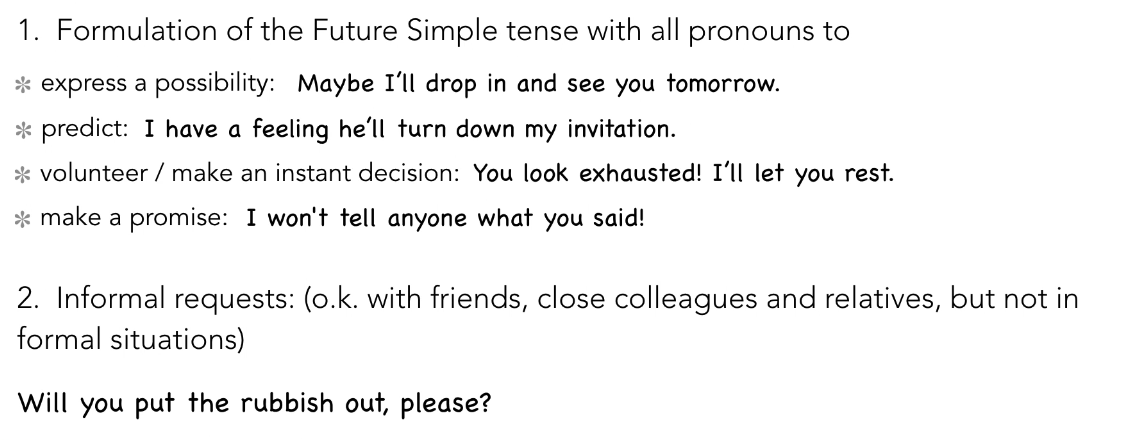
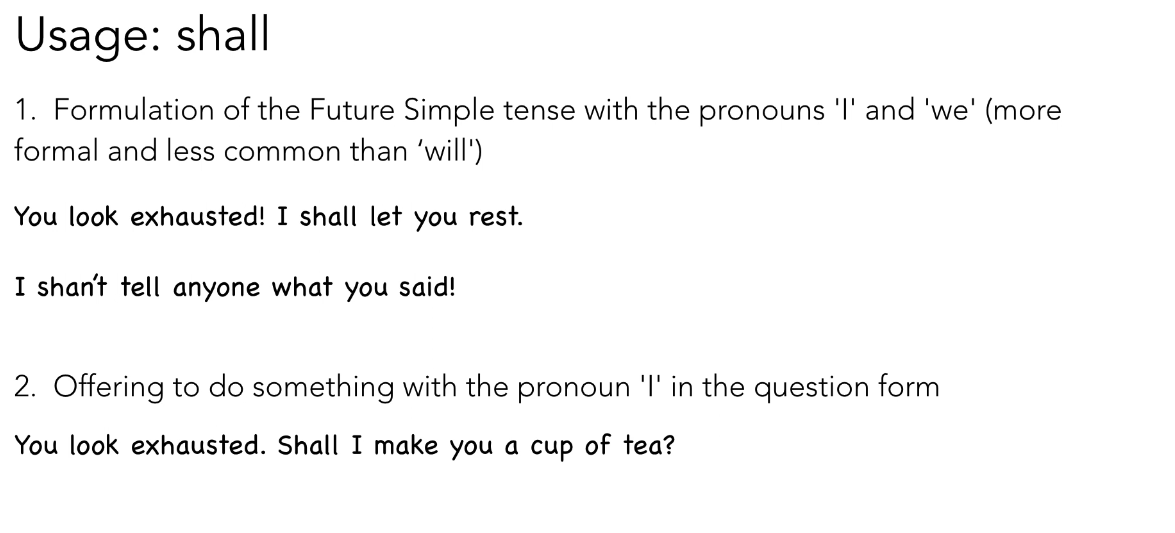
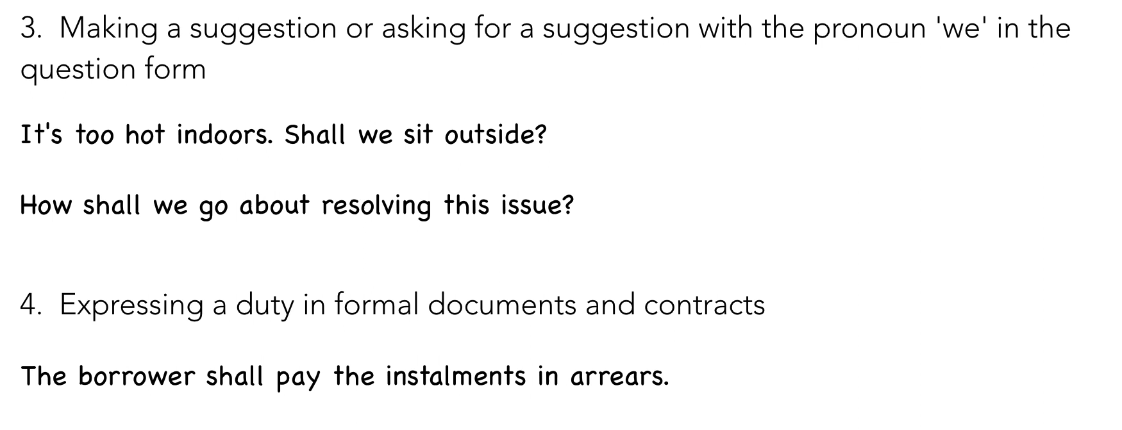
Modals show ability (can), possibility (may), obligation (must), and advice (should). They are among the most important tools for qualified, careful language in IELTS writing. Instead of saying "Climate change will destroy ecosystems," a Band 8 writer says "Climate change may disrupt ecosystems" or "could threaten ecosystems." This shows nuance and avoids overstatement.
Modals are also critical in speaking. When answering complex questions in Part 3, a Band 8 speaker uses modals to express degrees of certainty rather than absolute statements.
can/could: ability or possibility "People can reduce waste." (ability) "Climate change could disrupt agriculture." (possibility)
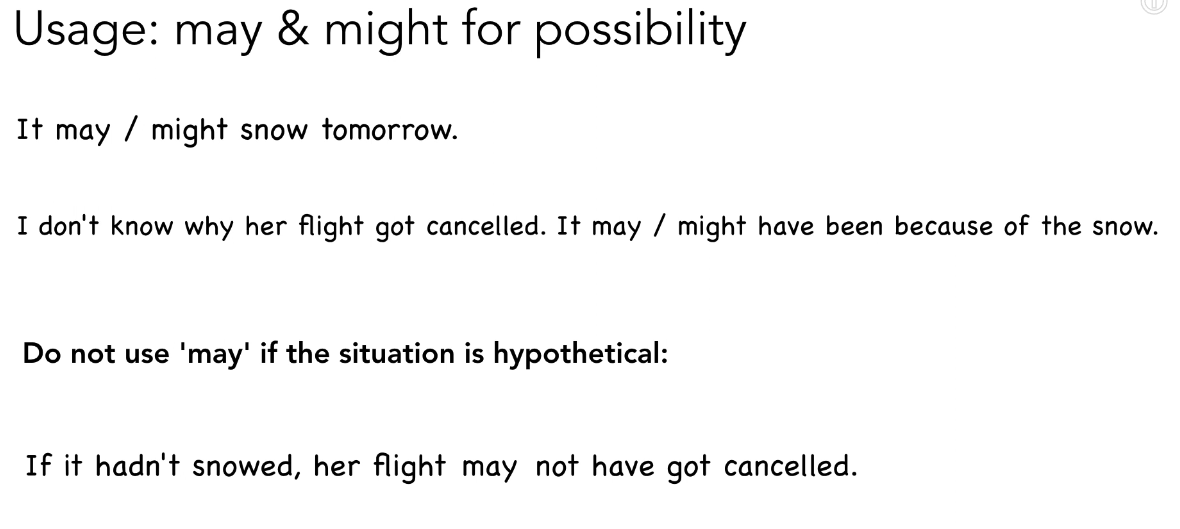
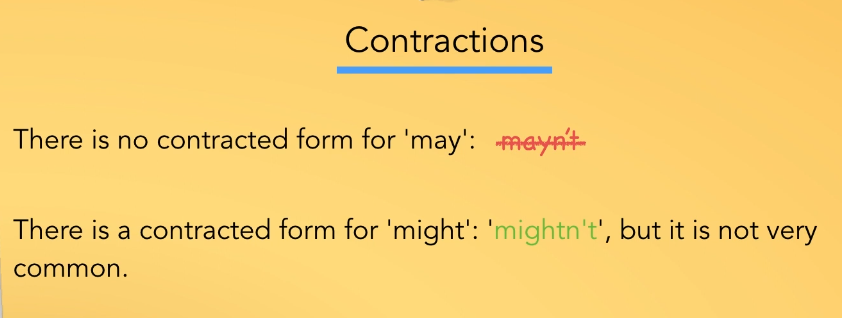
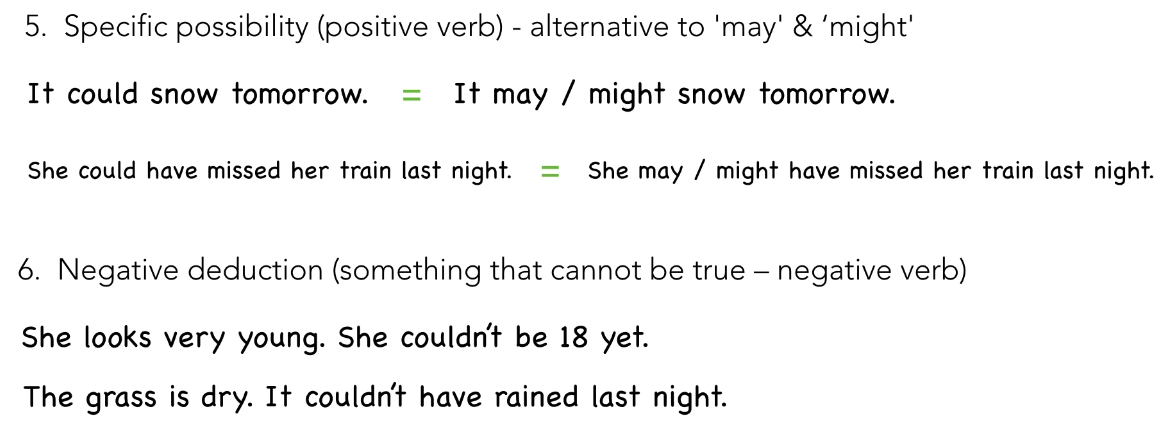
may/might: possibility or permission "This approach may work in urban areas." (possibility) "Might" expresses less certainty than "may."
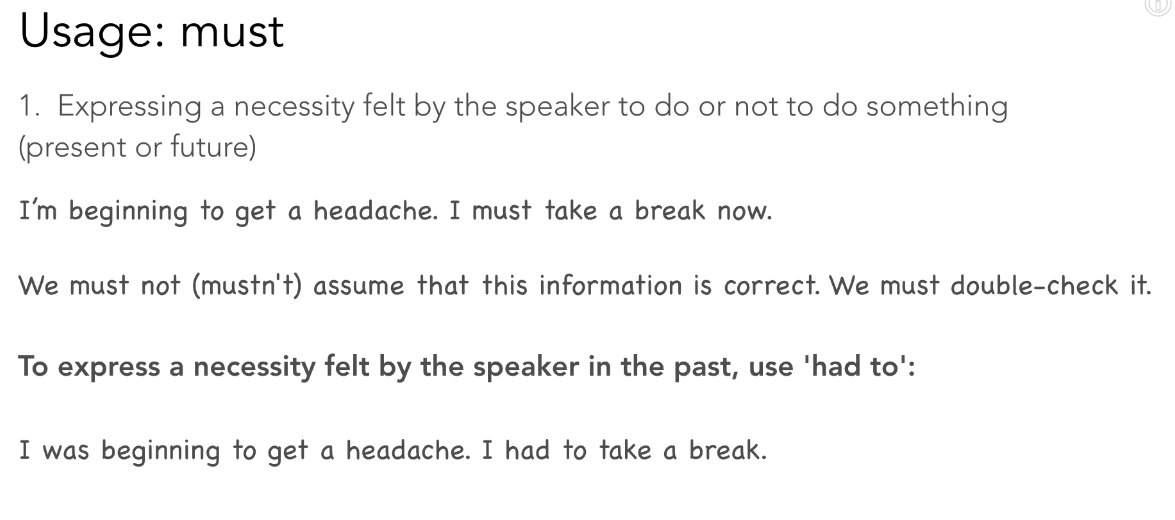
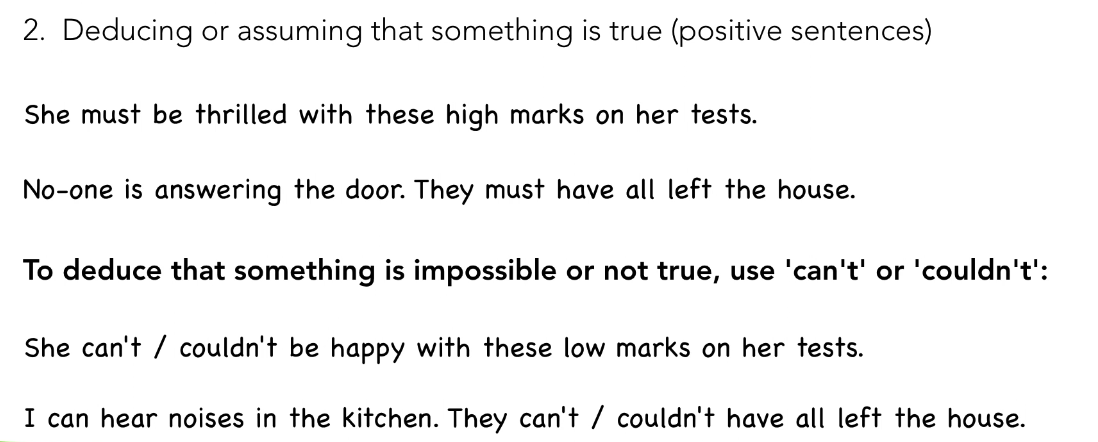
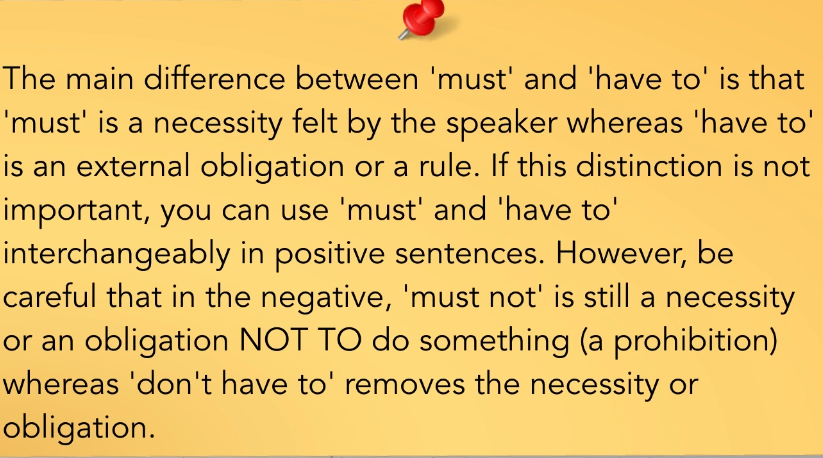
must: strong obligation or certainty "Governments must invest in renewable energy." (obligation) "This trend must reflect changing consumer behavior." (certainty)
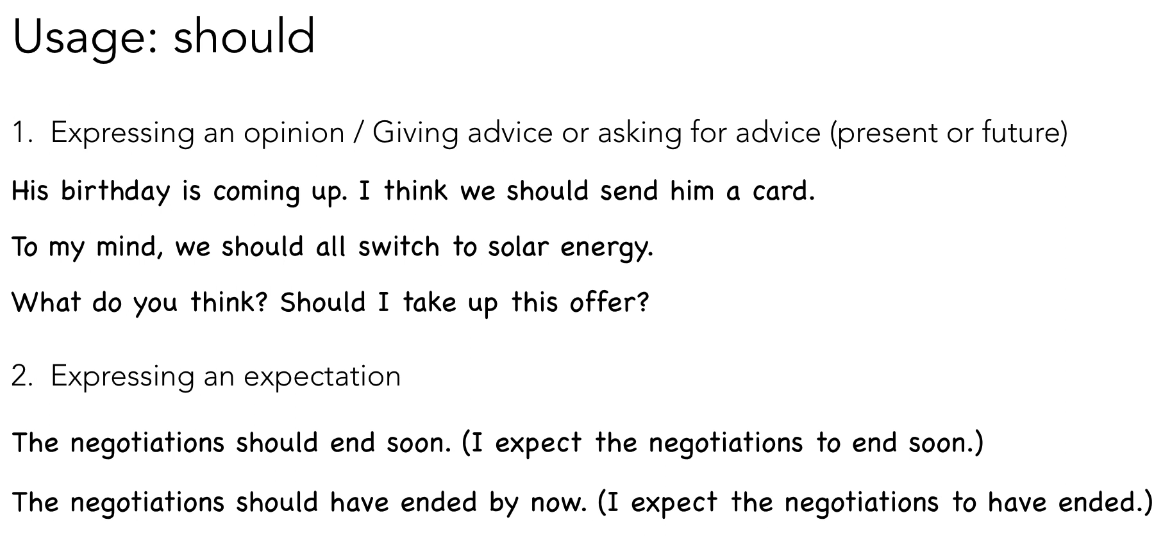
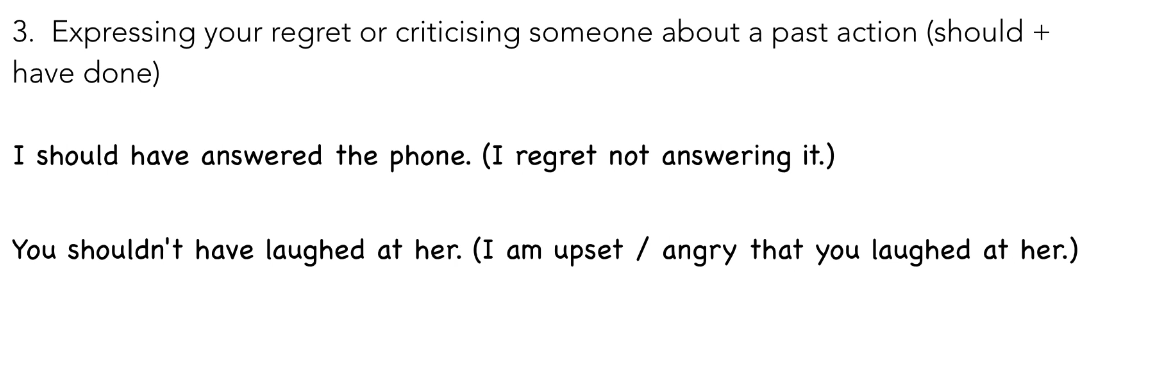
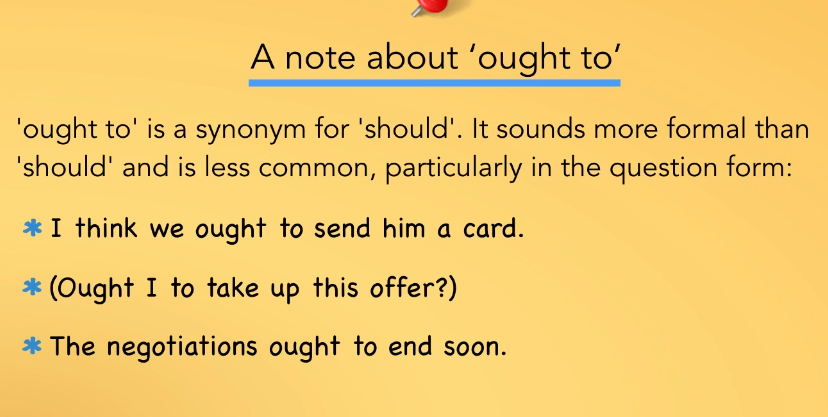
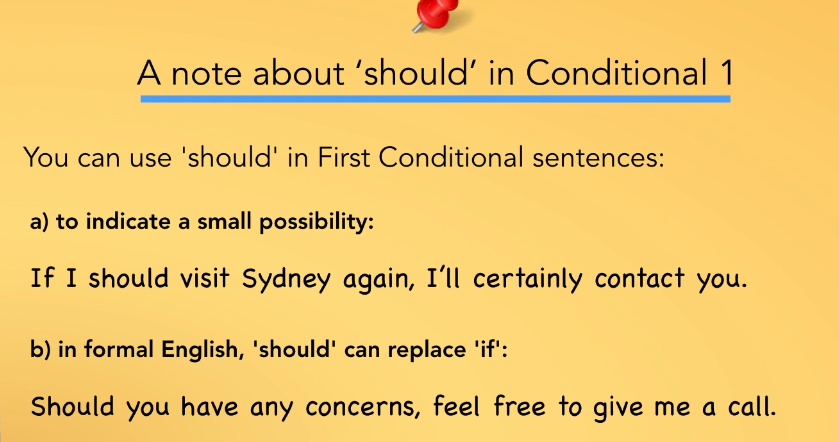
should/ought to: advice or recommendation "Policymakers should prioritize sustainable transport." (recommendation)
will: future certainty or decision "Adoption rates will increase as prices fall." (prediction) Main modals:
Examples:
Rule
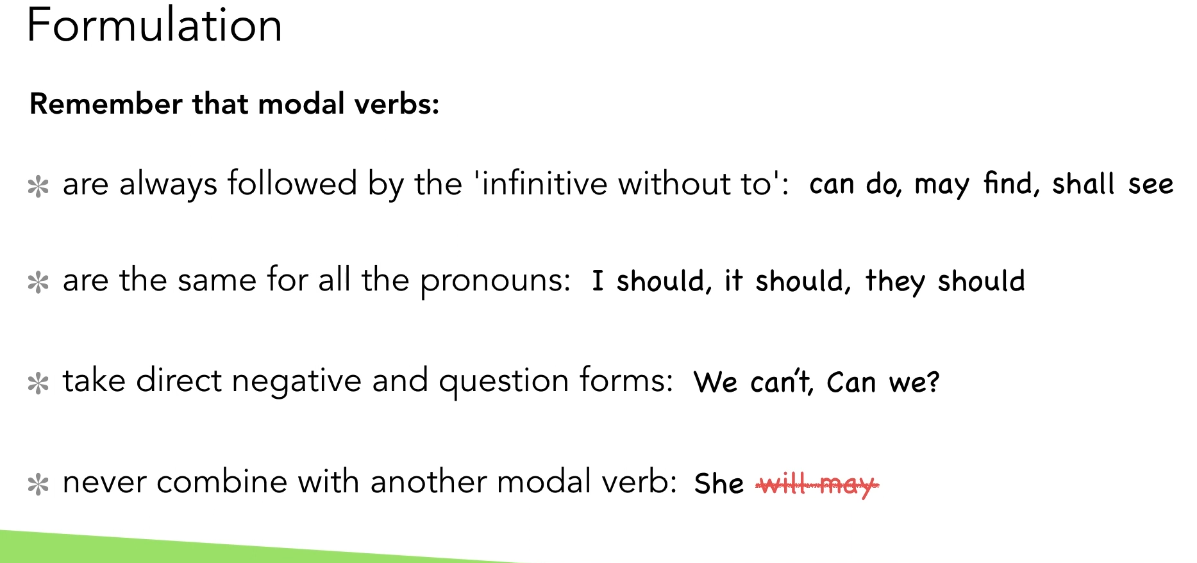
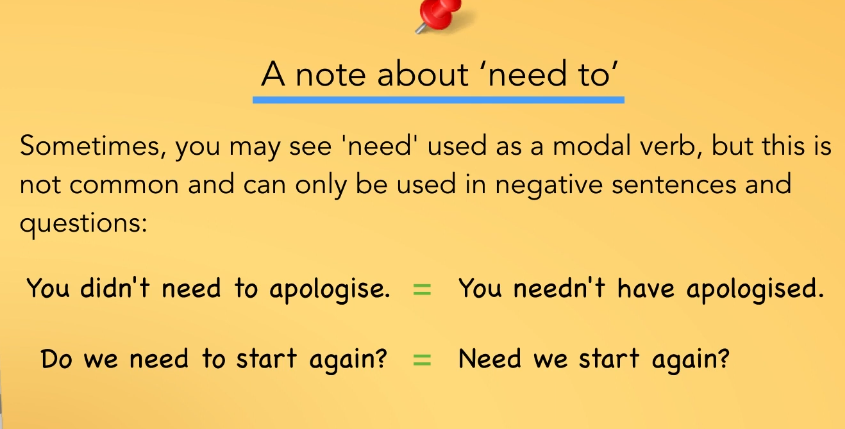
Modals do not take -s in third person and are followed by base verb (not to-verb).
Examples:
Examples:
Examples:
Examples:
| Function | Core Modals | IELTS Use |
|---|---|---|
| ability | can, could, be able to | skill/capacity claims |
| possibility | may, might, could | cautious predictions |
| probability | should, ought to, will | likely outcomes |
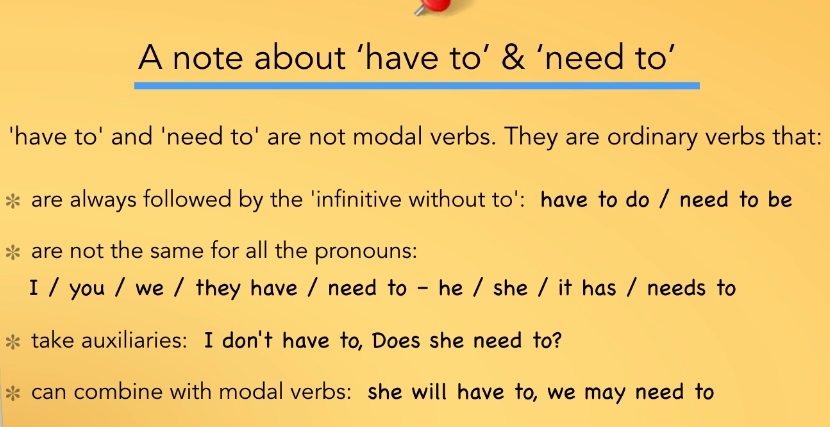
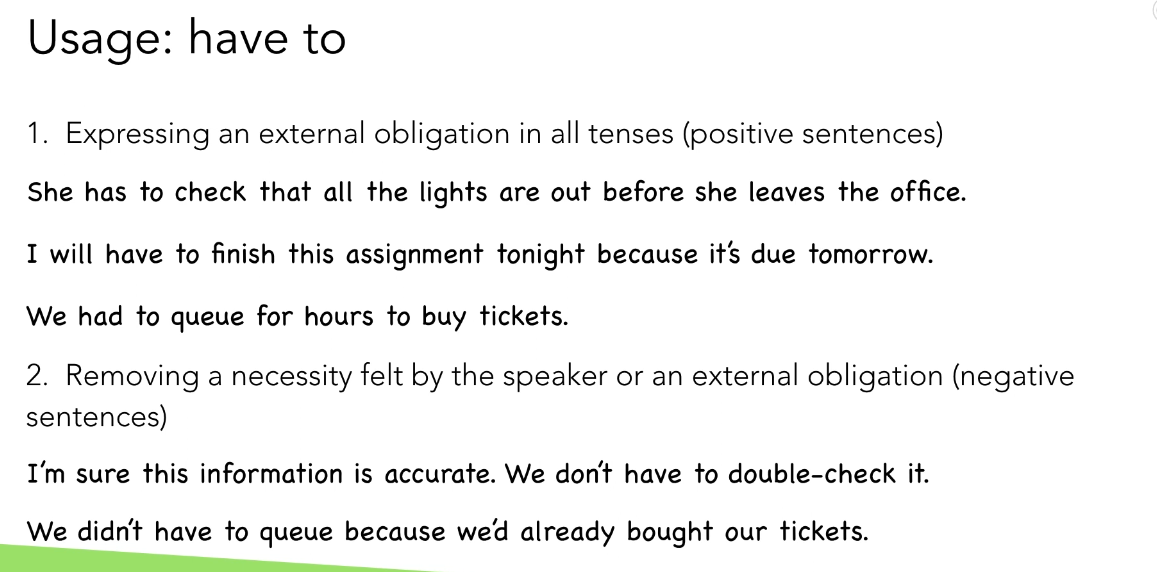
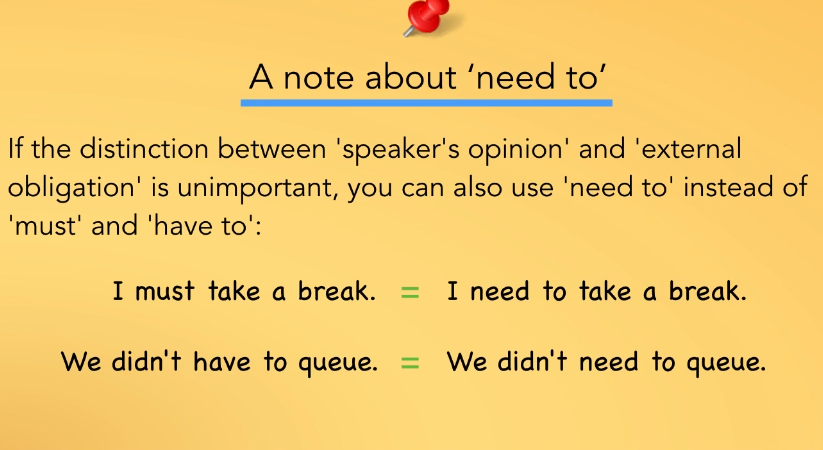
| obligation | must, have to, need to | policy duty/necessity |
| prohibition | must not, cannot | strict restrictions |
| advice | should, ought to, had better | recommendations |
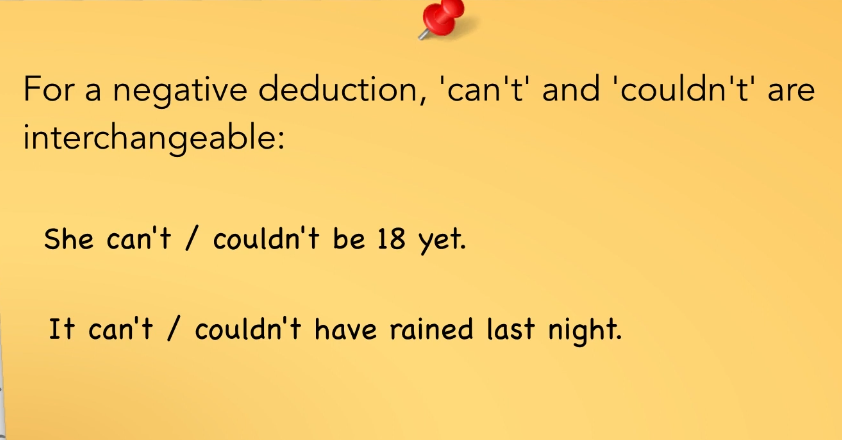
| deduction | must, cannot, may/might/could | logical inference |
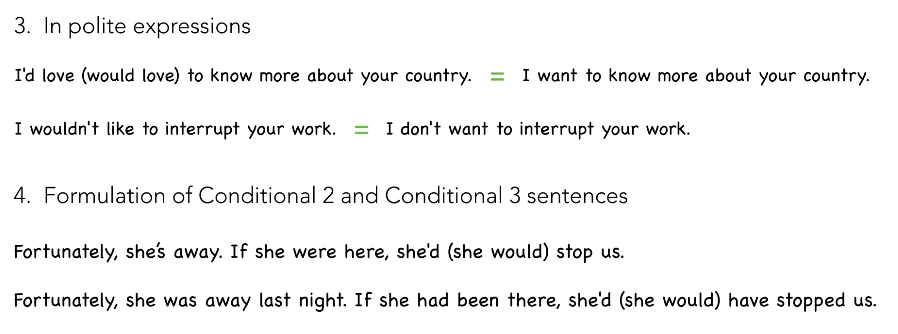
| hypothetical | would, could, might | conditional discussion |
Band Trap
must not != do not have to
Use this for balanced academic tone:
Low -> high certainty:
Examples:
| Pattern | Meaning | Example |
|---|---|---|
| must have + V3 | strong deduction about past | The outage must have affected trade. |
| cannot have + V3 | impossible past event | The file cannot have disappeared by itself. |
| may/might/could have + V3 | possible past event | The team might have misunderstood the data. |
| should have + V3 | expected but not done | The city should have expanded buses earlier. |
| should not have + V3 | regrettable action | Officials should not have delayed repairs. |
| would have + V3 | unrealized conditional result | We would have finished earlier with better planning. |
| Form | Use | Example |
|---|---|---|
| have to | external obligation | Citizens have to follow safety rules. |
| need to | necessity | Schools need to update digital tools. |
| be able to | ability (all tenses) | Graduates will be able to work remotely. |
| used to | past habit/state | People used to depend on printed maps. |
| had better | strong warning/advice | We had better revise this paragraph. |
Rule
Replace absolute claims with modal-based claims to sound balanced and academic.
CC = for, and, nor, but, or, yet, so
| Mistake | Incorrect | Correct |
|---|---|---|
| to after modal | He must to submit the form. | He must submit the form. |
| modal + -s | She cans solve complex tasks. | She can solve complex tasks. |
| missing be in passive | The law should implemented quickly. | The law should be implemented quickly. |
| wrong non-necessity | You must not come tomorrow. (when meaning no need) | You do not have to come tomorrow. |
| wrong past modal meaning | He must went home early. | He must have gone home early. |